Roulette Blog
Long-form pieces that go further than the guides: betting systems run through thousands of simulated sessions, bonus offers converted into actual dollars, and practical plans for learning the game without paying for the lesson. Every number in every article comes from the same arithmetic as our calculators, so you can check any of it yourself.
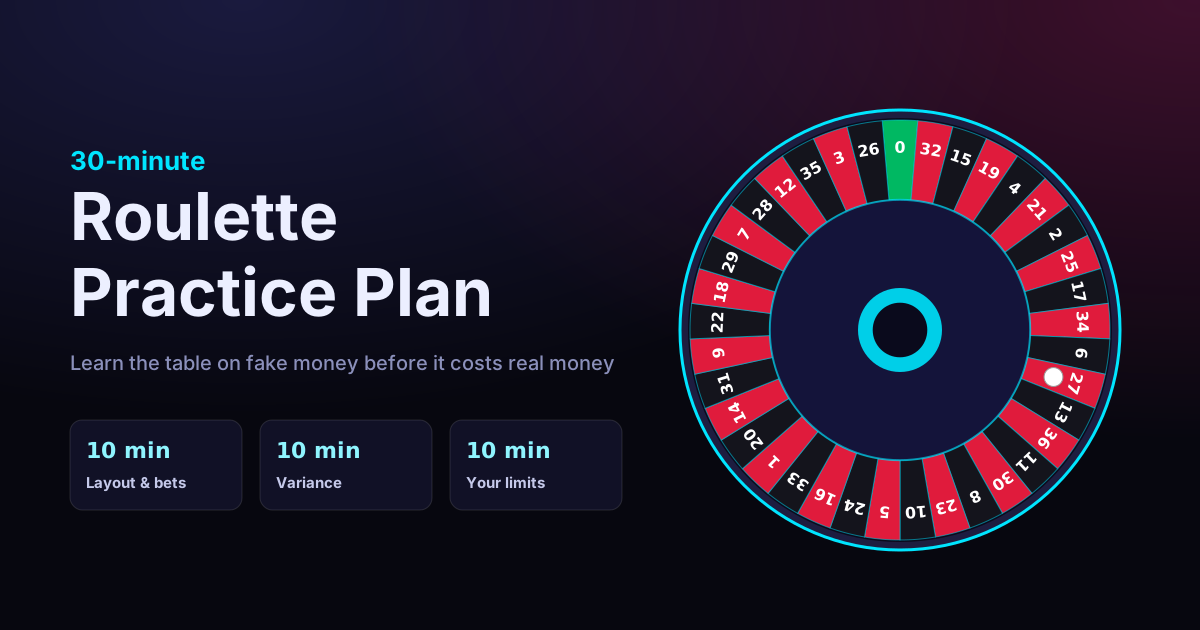 How to Practise Roulette for Free: A 30-Minute Plan That Actually Teaches You Something
Most people learn roulette at a real table, which is the most expensive classroom in the building. Here is a structured half hour on free demos that teaches the same lessons for nothing.
Read the article →
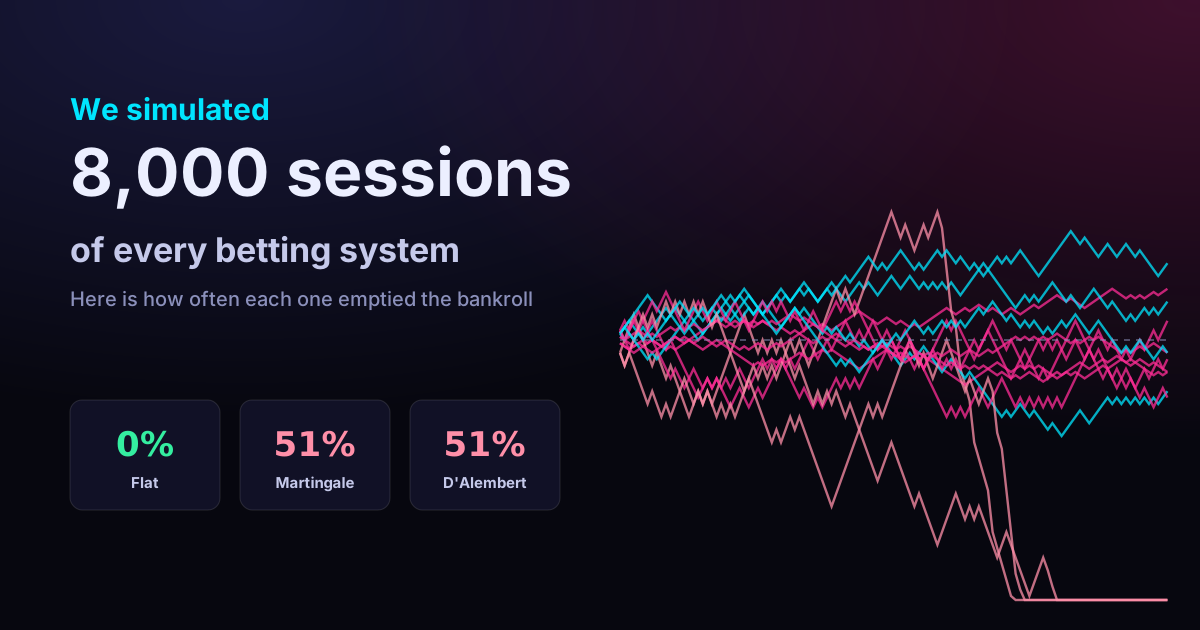 We Simulated 8,000 Sessions of Every Roulette Betting System. Here Is What Broke.
Every betting system promises something. We ran each one through thousands of sessions on a European wheel and recorded what actually happened to the bankroll.
Read the article →
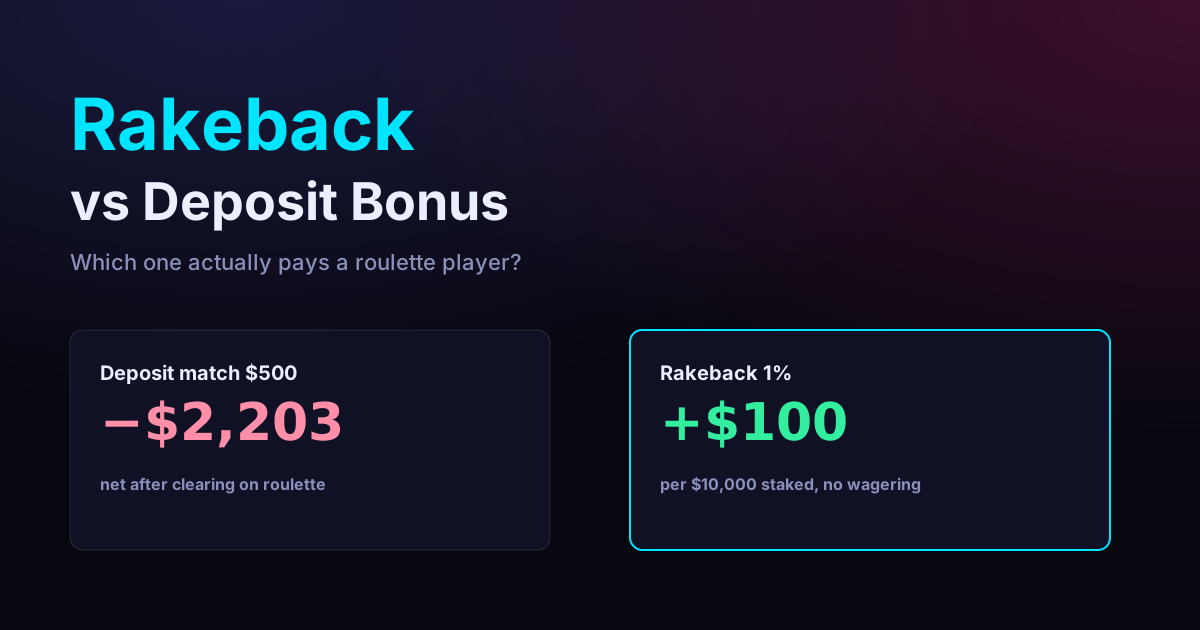 Rakeback vs Deposit Bonus: Which One Actually Pays a Roulette Player?
Headline match bonuses look bigger. For roulette specifically, the arithmetic usually runs the other way — here is why, with worked numbers for every common offer type.
Read the article →
What we write about, and how
Roulette is unusual among casino games in that its economics can be computed exactly. Thirty-seven pockets, a fixed paytable, and the house edge falls out of two numbers. That makes it possible to write about the game the way an engineer would: run the thing, measure it, publish the result, and let anyone reproduce it.
So that is the rule for this blog. When an article says a betting system busts the bankroll half the time, that figure comes from our strategy simulator, and you can rerun it with your own bankroll and table limit. When an article says a $500 bonus costs $2,700 to clear on roulette, that is the wager calculator with the inputs written out. Where we quote a casino's terms, the offer page links to our bonus terms breakdown for that brand, and the operator's own terms always win.
Start here
- New to the game? Read the rules, then follow the 30-minute practice plan on the European demo.
- Thinking about a system? Read what 8,000 simulated sessions showed before trying one with money.
- Choosing an offer? Rakeback vs deposit bonus explains which structure actually pays a roulette player.

GETRAKEBACK. 18+.
18+. Roulette has a fixed house edge, so over enough spins the maths favours the operator — always. If you play for real, treat it as money spent on entertainment, set a limit before you start and stop when you reach it. Our responsible gambling page covers the warning signs and where to get free, confidential help.